MIPIM 2026, FIABCI in the Spotlight
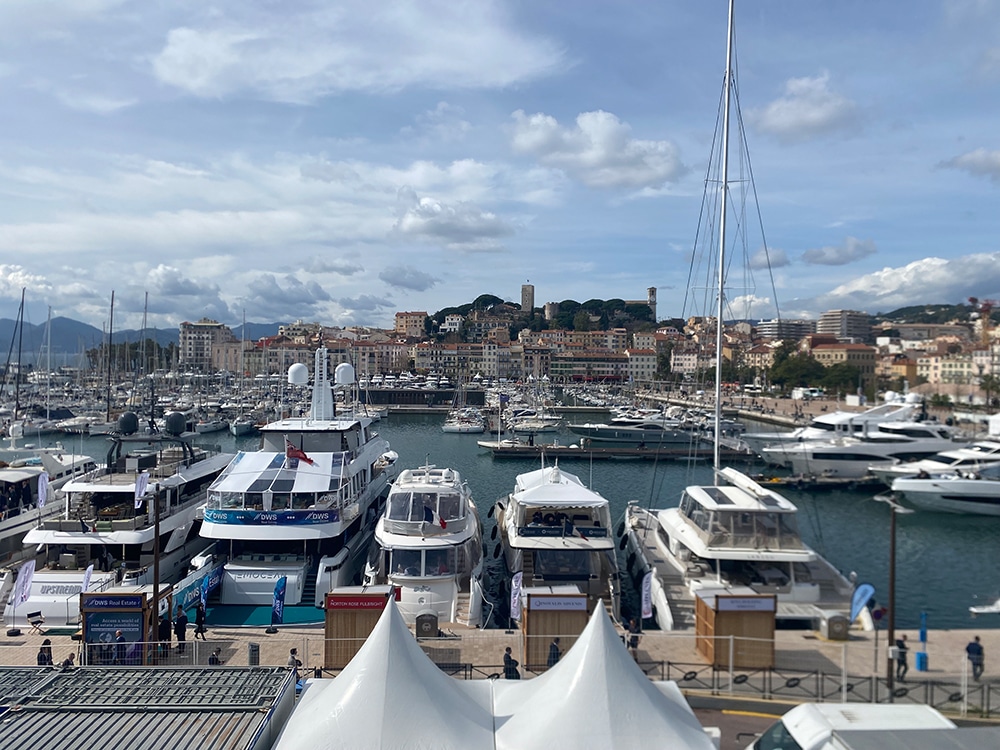
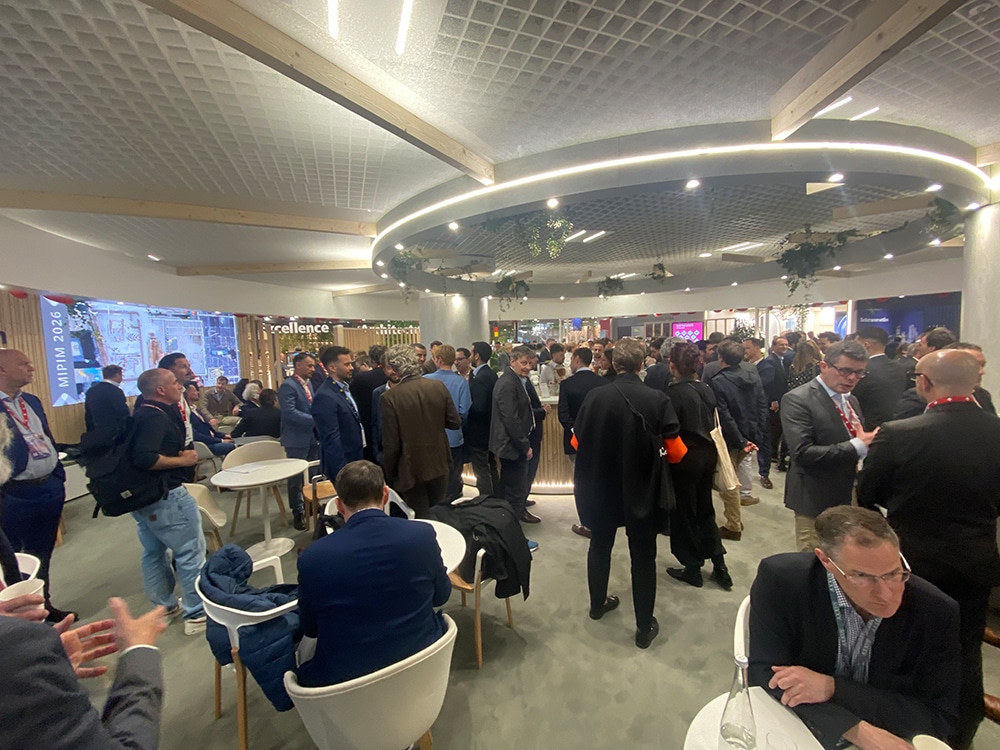
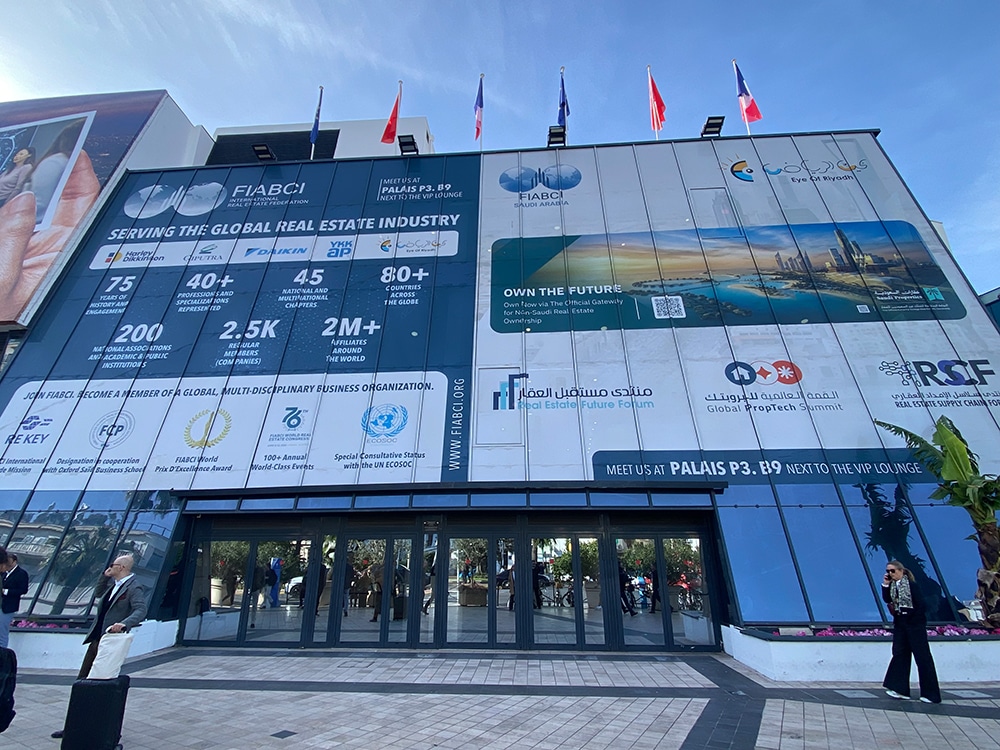
Cannes, March 9–13, 2026. This year, for its 36th edition, Cannes pulsed to the rhythm of MIPIM, the global gathering for real estate professionals. But for the Swiss delegation, one image immediately stood out when they arrived on the Croisette: a massive billboard on the façade of the Palais des Festivals made FIABCI simply indispensable and brilliantly confirmed the international federation’s presence and influence on the global real estate scene. The highlight was the inauguration of its new pavilion by FIABCI International on the 3rd floor of the Palais des Festivals. A great opportunity to welcome the global real estate community and share best practices among members and visitors.
The FIABCI SUISSE delegation is at the heart of the action
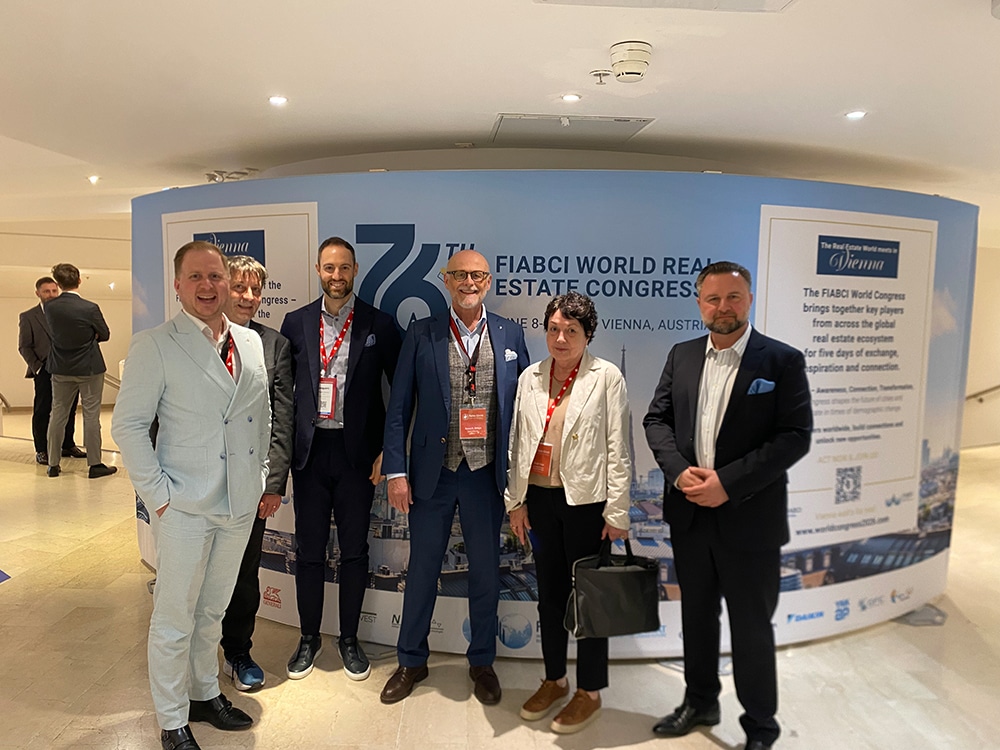
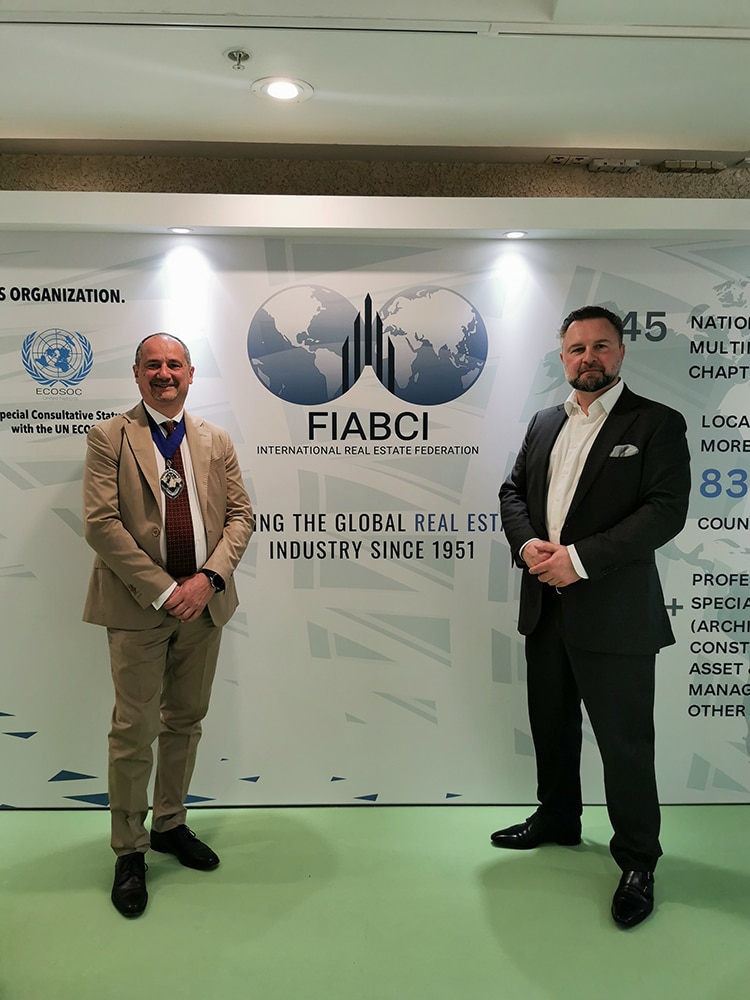
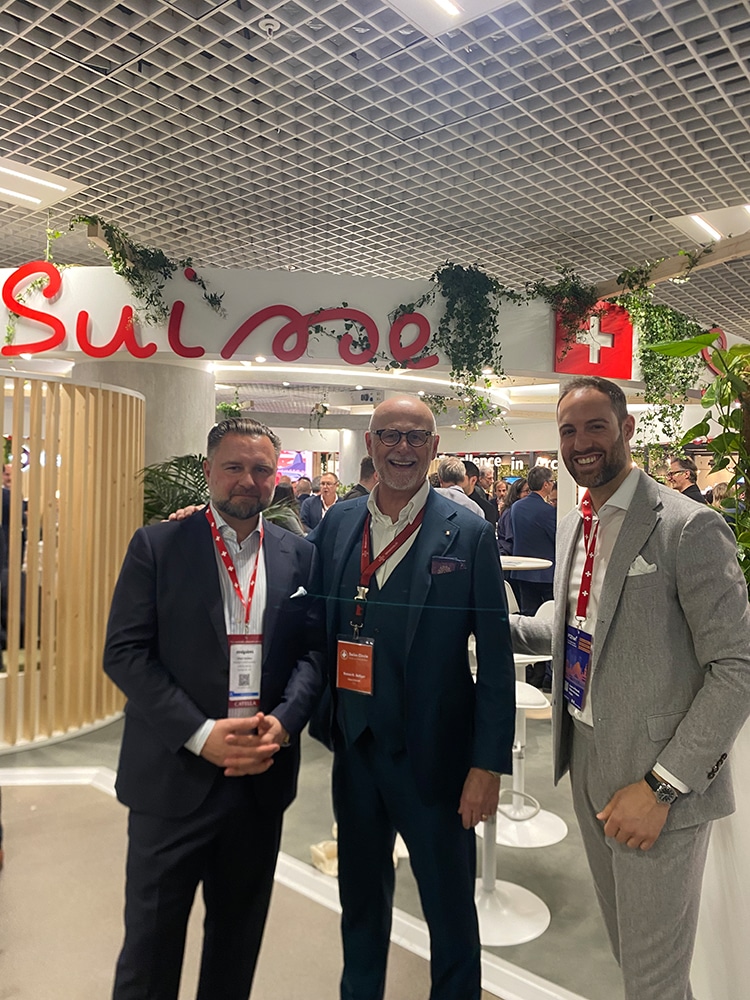
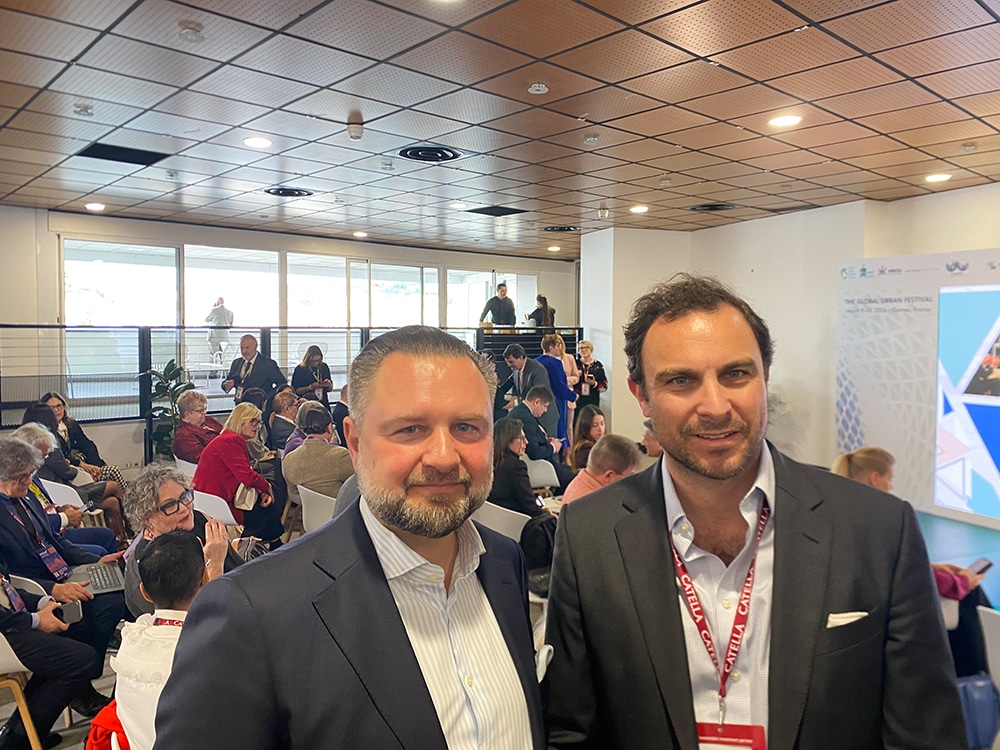
This year, FIABCI SUISSE was represented by members of its committee and long-standing partners. Its president, Vitali Bekker, traveled to Cannes, accompanied by several committee members, including Daniel Soller and Flavio Lauener (candidate), as well as our partners Roman H. Bolliger (Swiss Circle AG), Lars Sommerer (Swiss Proptech), and Mathias Rinka (Domblick editorial team), to name just a few.
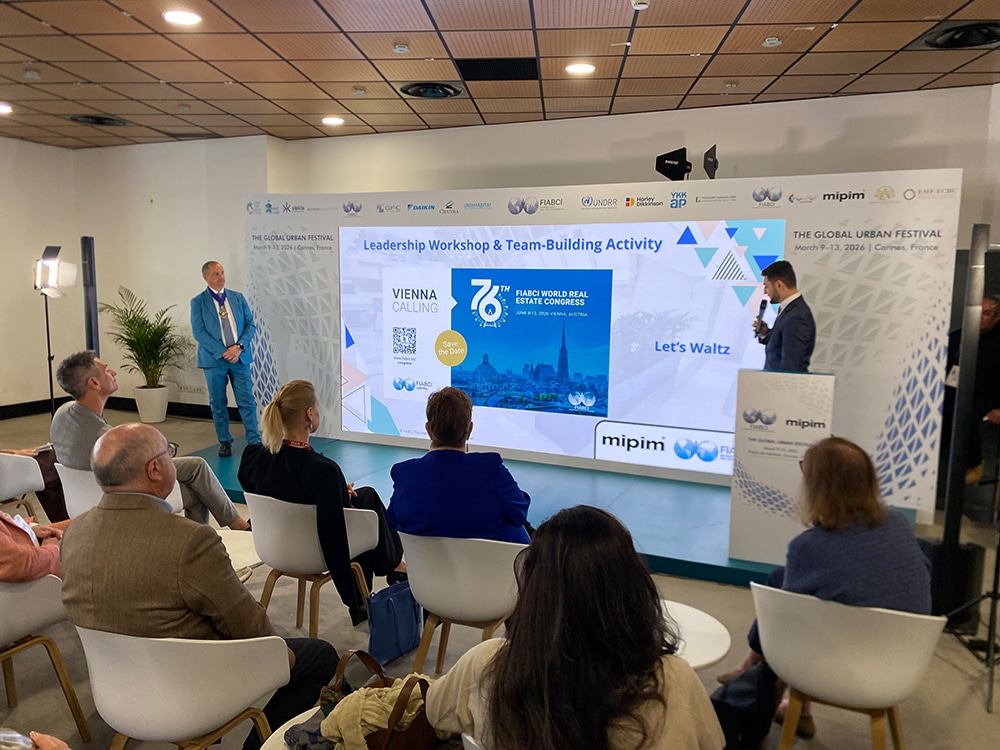
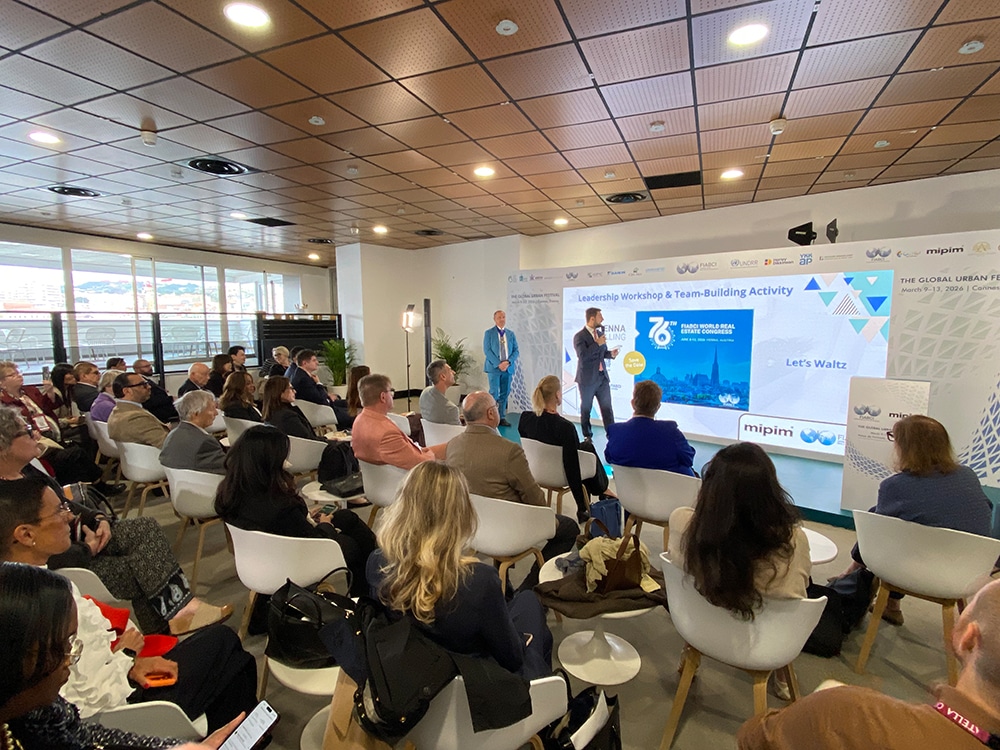
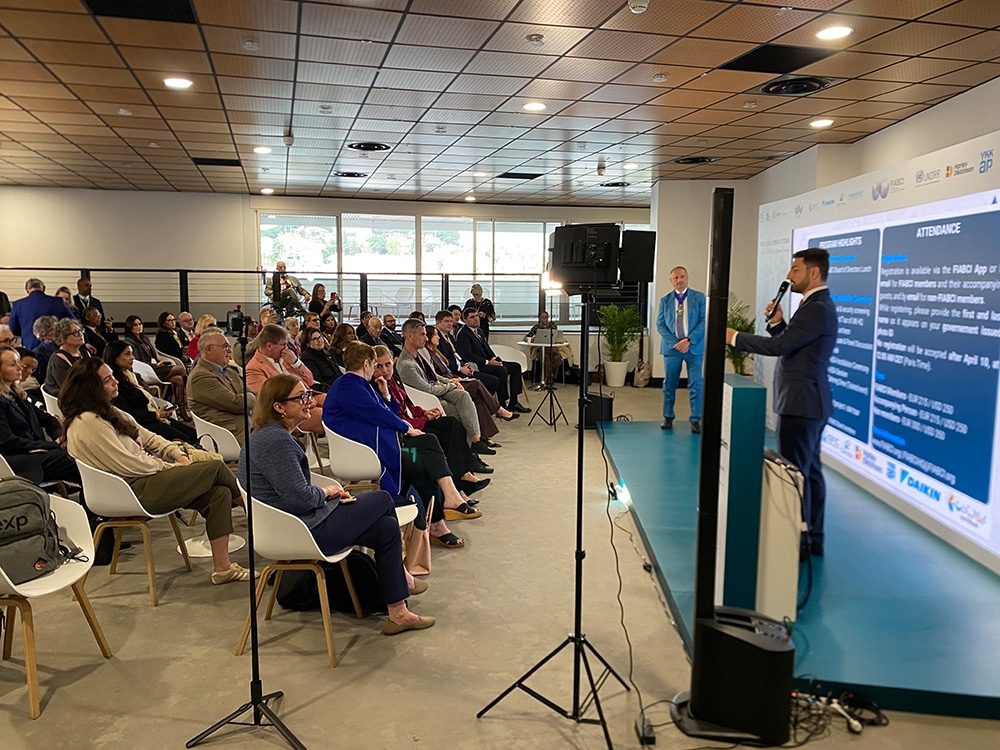
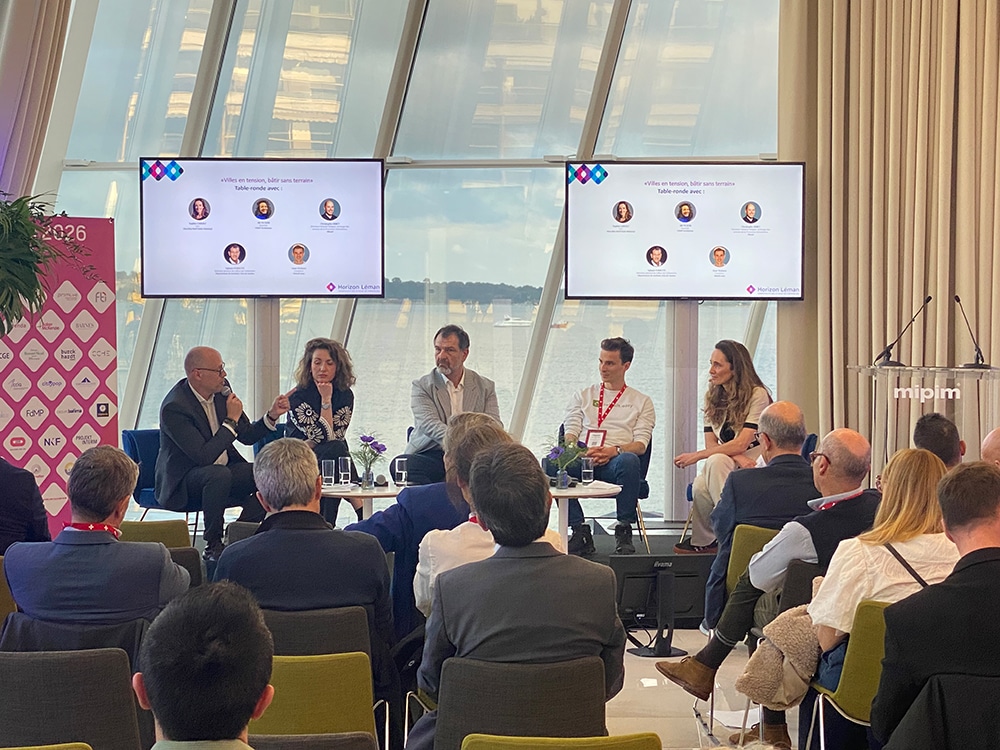
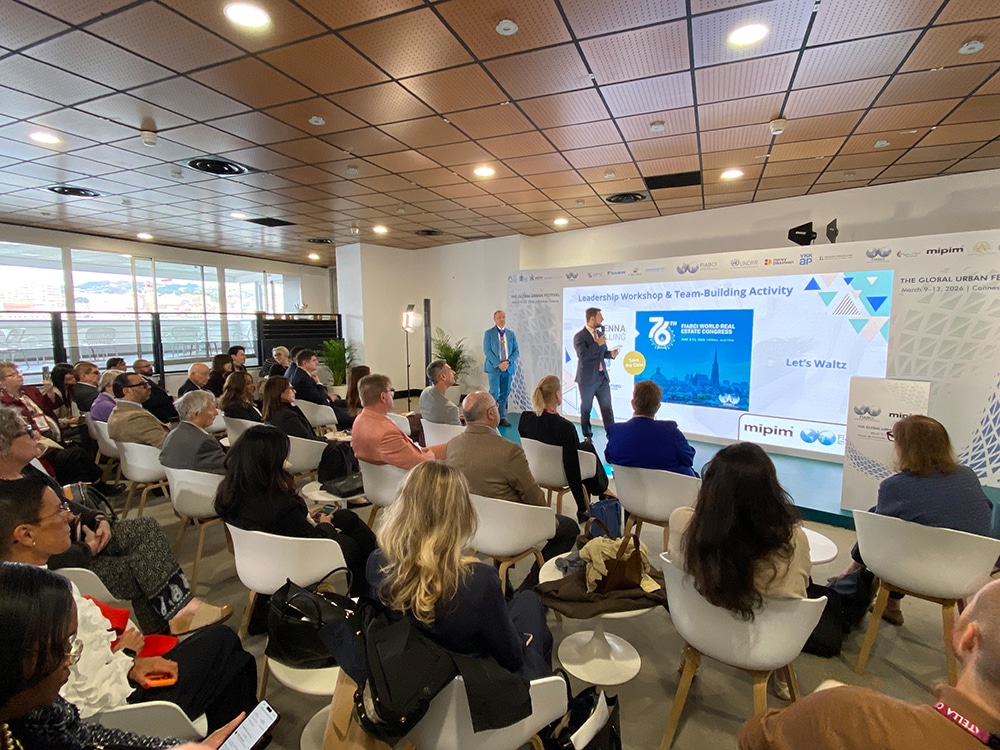
One of the highlights was the conference on Monday, March 9, held as part of the Housing Reboot Workshop, which focused on concrete solutions to the global housing crisis and was organized under the Housing Matters! umbrella. This format, which brings together developers, urban planners, investors, and public policymakers for interactive roundtable discussions, saw a more than 50% increase in attendance this year compared to the 2025 edition—a sign that housing has definitely become the industry’s top priority.
The discussions focused on structural issues: the need to integrate economic, demographic, and social developments into a multidisciplinary and multifunctional approach; regulations and other administrative barriers to investment that affect the profitability of housing construction; regulatory complexity, sustainability constraints, and the inflexibility of bank financing, as well as solvency issues among young households; the use of new forms of financing; interest in mixed-use projects that combine managed residential buildings with intergenerational social connections; and finally, the priority placed on affordable housing (social housing), a topic that, according to participants, significantly shaped the event’s expert panels.
Three key messages emerged from these debates. The first is clear: without private investors, there will be no surge in supply. It is therefore essential to massively increase the supply of rental housing, adapt it to new needs, and unlock investment from private individuals and institutions through a specific tax status for short-term rental properties—both new and existing. The second message calls for lifting the brakes to get the engine running again: accelerating the construction of new housing, promoting regulatory simplifications, and fostering development. Finally, the third message advocates for better utilization of existing capacity by diversifying housing types to better respond to lifestyles: making housing mobility more flexible, adapting the housing stock to the needs of the population and demographic changes, promoting reversibility of use, and encouraging the conversion of offices into housing.
Now that we’re back from Cannes, we’d like to share our initial thoughts on the overall atmosphere at this year’s MIPIM.
Cautious optimism in a tense environment
The general sentiment among experts is one of cautious optimism. Against the backdrop of ongoing geopolitical tensions, real estate investors are approaching the current period with a sensible and disciplined mindset, far removed from blind enthusiasm. Given market volatility, caution is warranted: While capital flows into European real estate are undoubtedly strengthening and liquidity is available, investors are waiting for greater clarity—particularly regarding short-term geopolitical developments—before committing to investments. Competition among market participants has also intensified significantly, even though investment strategies in this sector have not been abandoned.
In terms of investment strategies, we see that the residential segment remains a preferred asset class: investors are primarily seeking stable, recurring income over the long term. Despite administrative hurdles, the residential real estate sector continues to perform well thanks to sustained demand and positive demographic trends. In Europe, residential property yields have exceeded their long-term average of 7.8%. In Switzerland, this yield ranges between 2.0% and 4.5%, depending on the location and type of property. The Swiss national average is around 2.9% (Q1 2026), and globally the range varies significantly by location, as the Swiss market is highly heterogeneous: yields of 2% can be found in the major districts of Zurich and Geneva, and up to 5% in the Jura or the surrounding areas of Valais. For the net yield, you must deduct an additional 1.5 to 2 percentage points to account for expenses, management, maintenance, and taxes.
The difference between the returns on residential and office real estate in Switzerland is significant and reflects the fundamental divergence between these two markets. Office real estate generates higher total returns (up to 5.2% in 2025), including rental income and capital gains. When comparing gross returns for residential properties (averaging 2.5% to 3.5%) with the total returns for offices (4% to 5%), the difference amounts to approximately 1.5 to 2 percentage points. This difference compensates for the higher risk and lower liquidity of the office segment, particularly for aging or poorly located assets. This gap is widening, and the polarization between prime assets (modern, well-located offices) and the rest of the portfolio, which is under pressure to adapt, is increasing.
The hospitality sector, infrastructure, and data centers round out the list of preferred asset classes.
Selectivity, diversification, value creation
Selectivity, diversification, and value creation are the guiding principles: active asset management and transformation take precedence over short-term risk-taking. Artificial intelligence is establishing itself as a strategic tool in its own right to optimize management and accelerate value creation. In conclusion, it is clear that in a market undergoing profound change, discipline, resilience, and innovation are the keys to transforming volatility into sustainable opportunities.
According to the official statement from MIPIM
The MIPIM 2026 figures, released on March 13 by RX France, confirm the scale of the event. Twenty thousand delegates from 90 countries gathered for this 36th edition, nearly a third of whom were international investors—a ratio that underscores both the event’s transactional significance and its role as a barometer of the global economy.
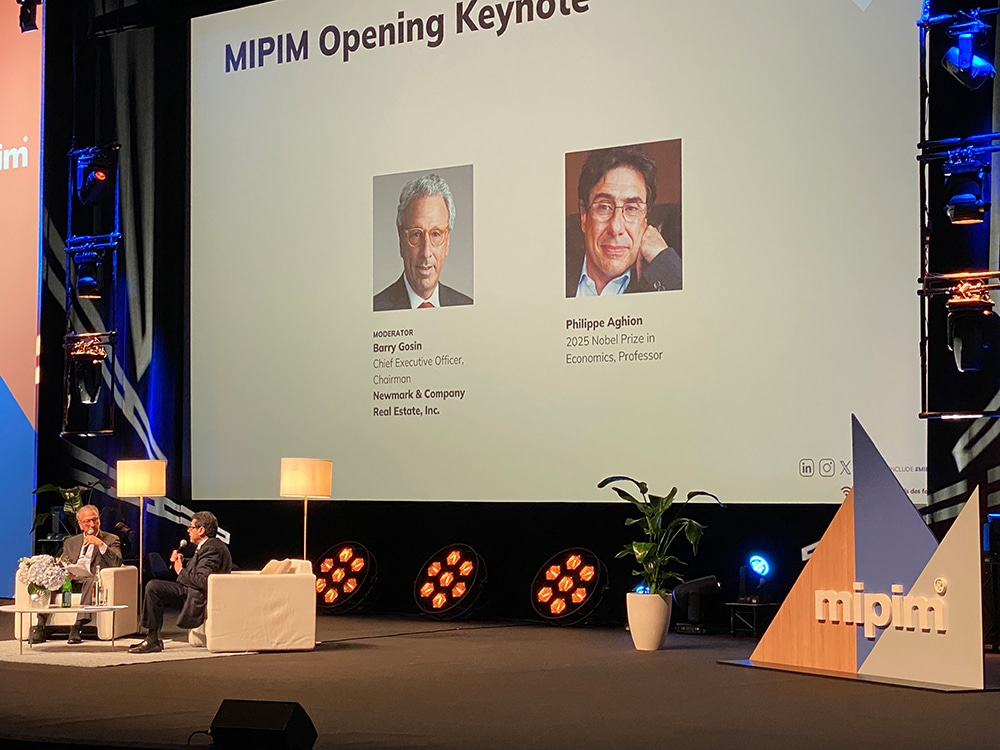
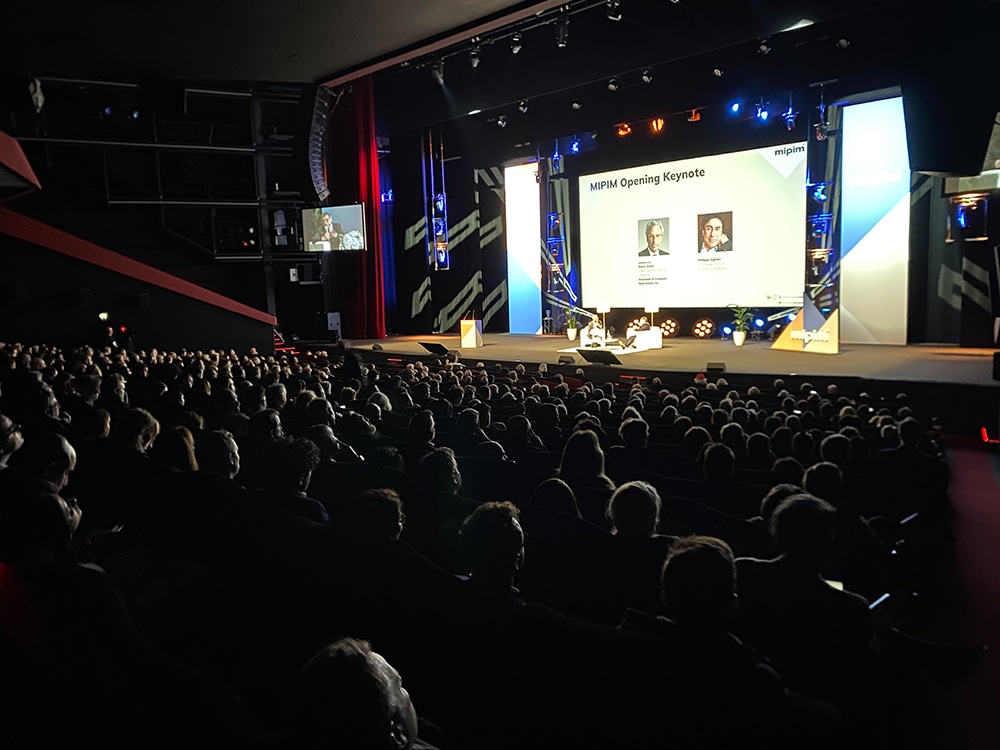
The event opened with a keynote address by Prof. Philippe Aghion, winner of the 2025 Nobel Prize in Economics, whose speech focused the discussion on the rapid advancement of artificial intelligence and the need for responsible governance in support of sustainable urban development.
Notable new additions include the RE-Family Summit, the first private forum for institutional family offices from France, Germany, Italy, Monaco, and the United Kingdom, as well as the Data Centre Summit, which launched this year and sold out immediately—reflecting investors’ growing interest in this rapidly expanding asset class.
At the diplomatic level, the presence of Vincent Jeanbrun, France’s Minister for Urban Policy and Housing, alongside five other European and African ministers as well as the mayors of Copenhagen, Lisbon, Madrid, Reykjavik, Riga, Rome, and Stockholm underscored MIPIM’s increasingly assertive political dimension. France accounted for 24% of attendees, making it the event’s largest national delegation.
The MIPIM Awards honored ten outstanding projects across eleven categories. Paris and Copenhagen won the most awards, while the Sydney Fish Market received the jury’s special prize. Nicolas Boffi, Director of MIPIM, summed up the spirit of the week: The real estate market has demonstrated its resilience and optimism in the face of geopolitical uncertainty, and the unanimous message from delegates was the urgency to act.
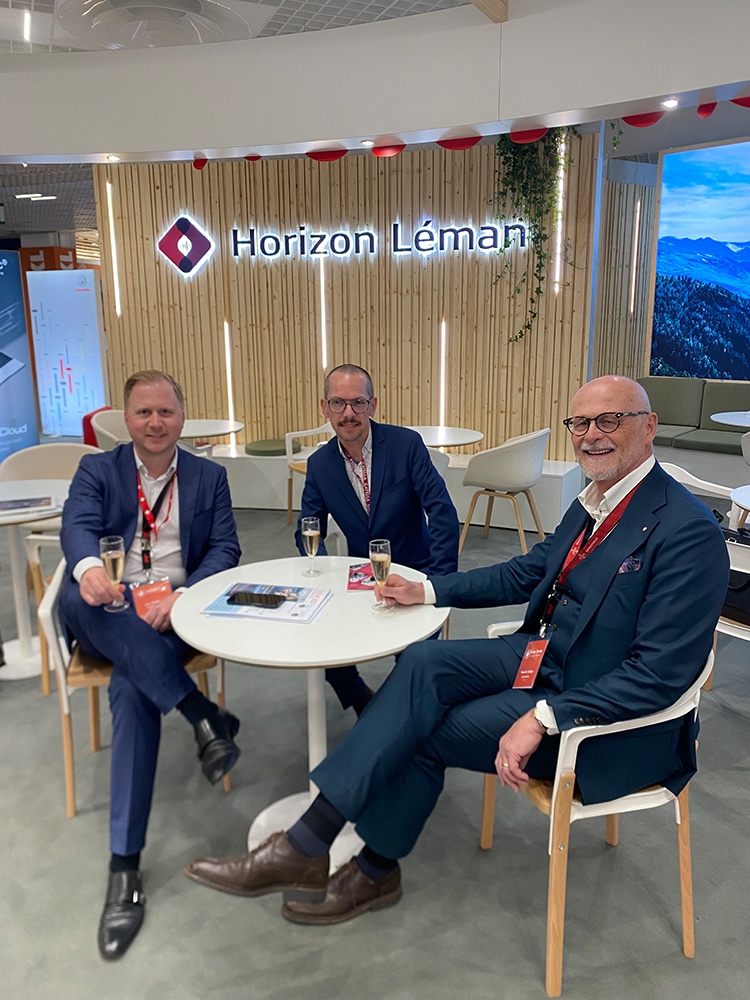
The Horizon Léman Association, Swiss Circle AG, Swiss Proptech, Constructives, and FIABCI brought together key players in the Swiss real estate industry
The Swiss delegation to MIPIM 2026 comprised a total of around 400 representatives, representing a presence of approximately 10% compared to 2025. The delegation was organized around the strategic partnership between Horizon Léman (12 years at MIPIM) and Swiss Circle AG (30 years at MIPIM) within the Swiss Pavilion (shared hub R7. G35).
Swiss PropTech and the topic of new real estate technologies were well represented by its members and partners, who were present at this joint hub.
This partnership aims to provide a unified networking platform that covers all of Switzerland and, thanks to the collaboration of the CCIFS (representative of the Swiss Pavilion), offers an optimized infrastructure for partners and participants.
This community brought together key players such as Swiss Life Asset Managers, Drees & Sommer Switzerland, MLL Legal, EY, KPMG, NKF, JLL, CBRE, and many others, including managers, architects, engineers, experts, and developers, as well as cantonal banks, institutional funds, and representatives of the State of Geneva. Discussions focused on housing and hybrid concepts, the sustainable transformation of brownfield sites, emerging asset classes (life sciences, data centers), and the integration of technologies into the life cycle of buildings. A dynamic delegation that exemplifies the resilience and innovative capacity of the Swiss real estate market.
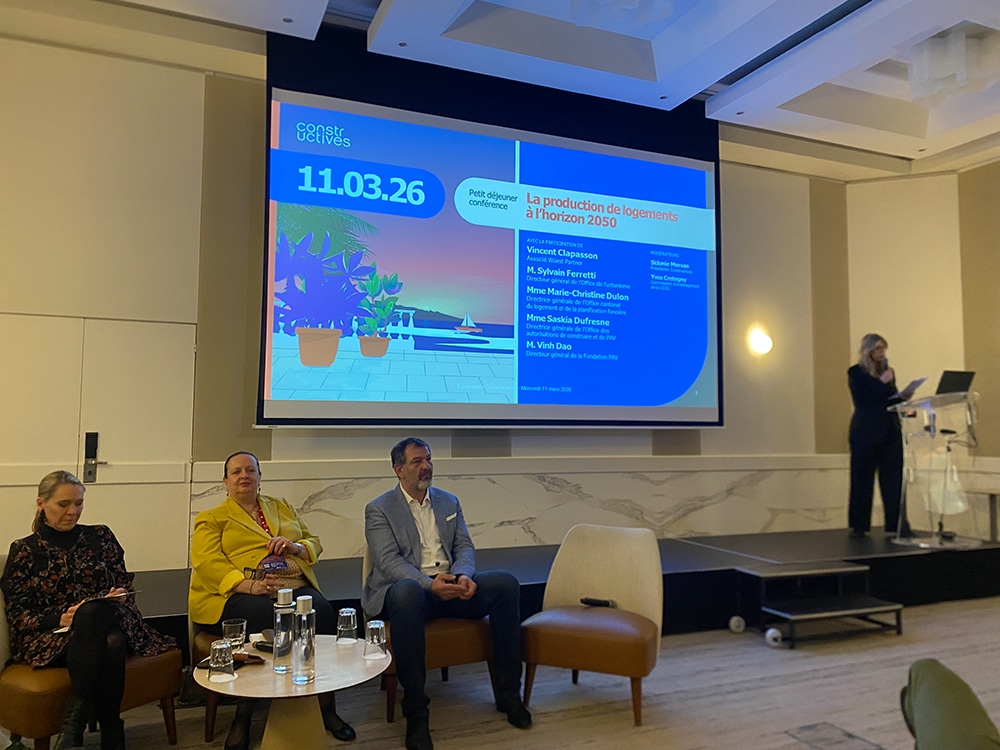
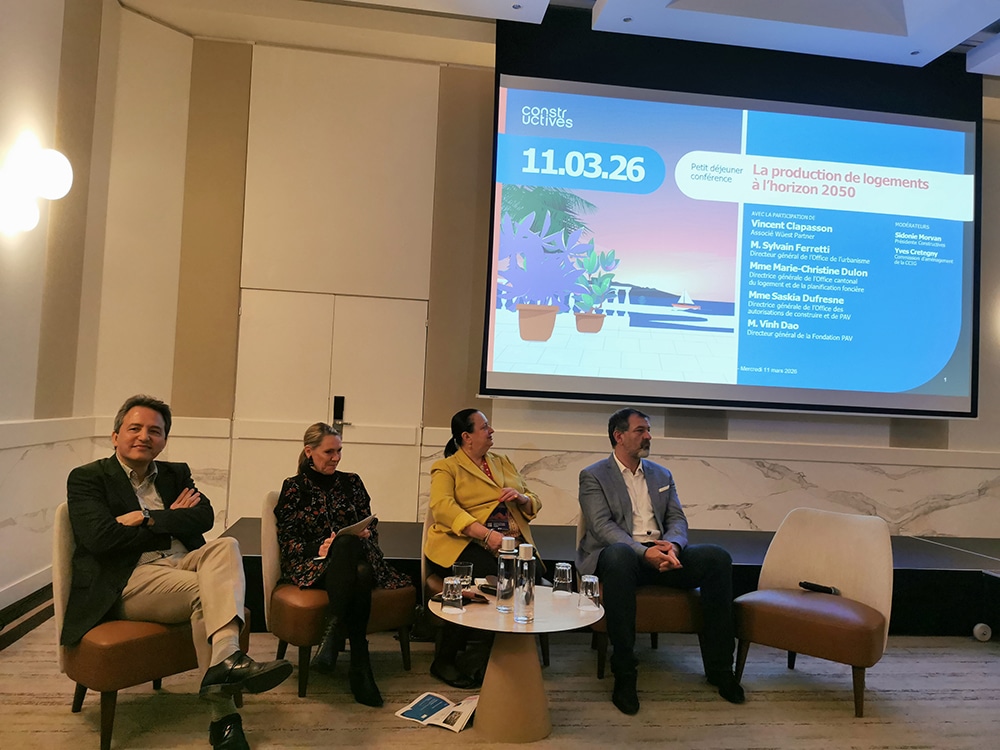
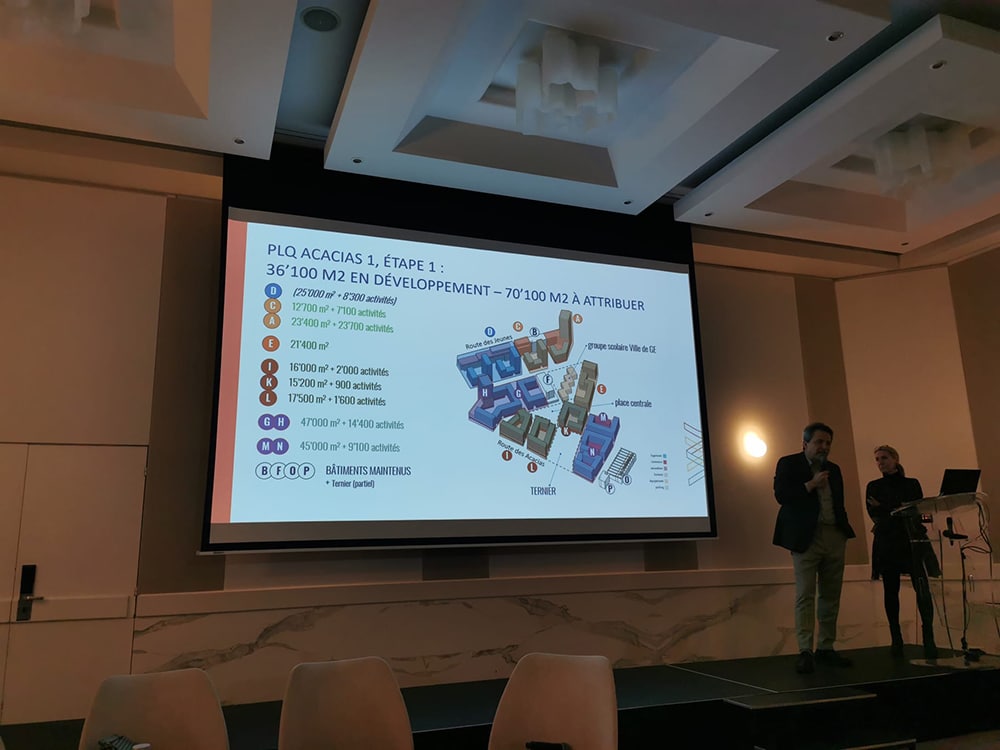
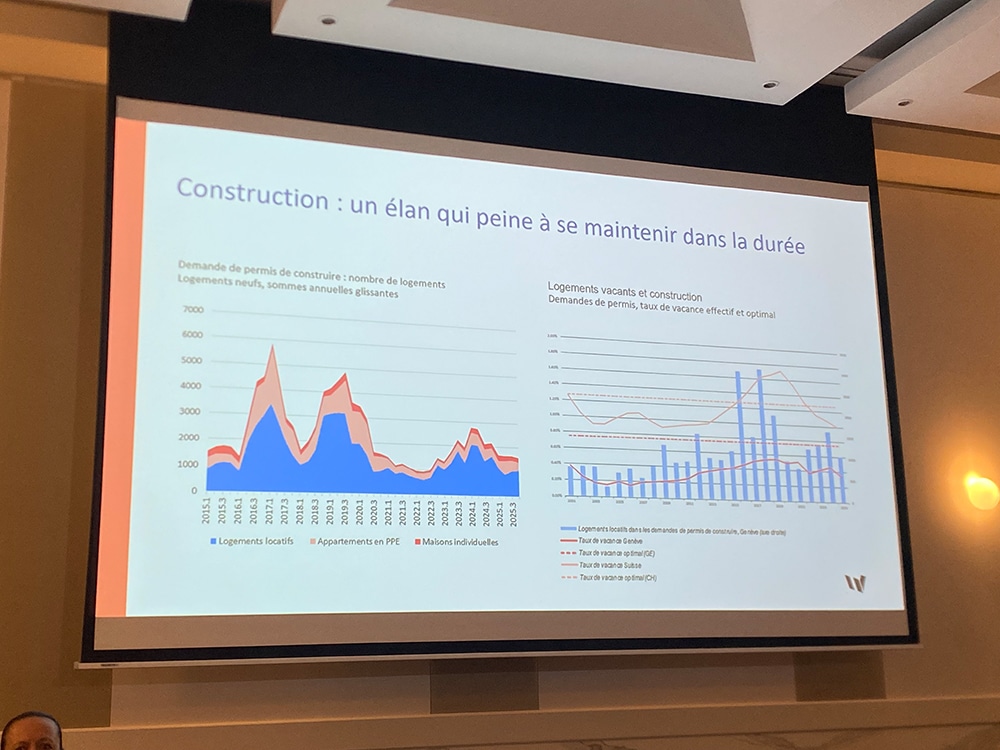
The Constructives Association, led by Sidonie Morvan, who is also a member of FIABCI-SUISSE, is the Geneva-based network of women working in the real estate sector. As it does every year, the association organized its traditional breakfast debate. The event, titled “Housing Production in Geneva by 2025,” brought together key figures in Geneva’s urban development sector to discuss the future challenges of housing construction.
Given the need to increase Geneva’s housing stock from 47,000 to 70,000 units (i.e., up to 6.7 million square meters) over the next thirty years, collaboration between the public and private sectors has been more important than ever. According to OCSTAT, the canton could welcome between 45,000 and 100,000 new residents by 2050—a demographic pressure that requires responses capable of meeting these challenges. To meet this challenge, Geneva’s stakeholders are focusing on large-scale projects such as the PAV (9 new neighborhoods, 30 towers, 12,000 residential units) and demonstrating that vision, innovation, and collective action are at the heart of the strategy to shape the Geneva of tomorrow.
By the time of MIPIM 2026, two key trends will have been confirmed: the need for the construction industry in Switzerland to play a more prominent role in the real estate market, and the growing importance of issues such as affordable housing, data centers, and artificial intelligence, which will redefine investment priorities for the coming years.
We’ll see you in Cannes from March 15 to 19, 2027, for the 37th edition of MIPIM.
Article by Vitali Bekker, March 18, 2026